Pericarditis
The layers have a small amount of fluid between them to prevent friction when the heart. Pericardial effusion and the possible inflammation of the pericardium resulting from it called pericarditis can have many possible causes including.

Lupus And Pericarditis Effect Of Lupus On Heart Health Coronary Artery Disease Nursing Heart Disease Symptoms Types Of Heart Disease
Pericarditis is classically associated with ECG changes that evolve through four stages.

Pericarditis. It can be either fibrinous dry or effusive with a purulent serous or haemorrhagic exudate. 1 The condition is most often caused by a viral infection and generally resolves in a. Myocarditis is inflammation of the heart muscle and pericarditis is inflammation of the outer lining of the heart.
This can cause layers of the pericardium to rub against each other producing sharp chest pains. In both cases the bodys immune system causes inflammation in response to an infection or some other trigger. There is a small amount of fluid between the inner and outer layers of the pericardium.
The definition of pericarditis is an inflammation of the pericardium which is the thin two-layered fluid-filled sac that covers the outer surface of the heart and helps it function efficiently. In pericarditis the pericardium gets inflamed and blood or fluid can leak into it. Pericarditis is inflammation of the pericardium the thin sac membrane that surrounds the heart.
Its difficult to confirm the exact cause of pericarditis but its usually a viral infection. Pericarditis is usually acute it develops suddenly and may last up to several months. Pericarditis is inflammation of the pericardium.
In most cases the illness will pass without treatment. Your heart has a protective fluid-filled sac around it called the pericardium. It has two layers with a lubricating fluid between the layers.
Learn more about myocarditis and pericarditis. Pericarditis is an inflammation of the pericardium. Symptoms typically include sudden onset of sharp chest pain which may also be felt in the shoulders neck or back.
Infection such as viral bacterial or tuberculous Inflammatory disorders such as lupus and rheumatoid arthritis Cancer that has spread metastasized to. A small amount of fluid keeps the layers separate so theres less friction between them as the heart beats. Stage 1 widespread STE and PR depression with reciprocal changes in aVR occurs during the first two weeks Stage 2 normalisation of ST changes.
Generalised T wave flattening 1 to 3 weeks. Pericarditis is inflammation of the pericardial sac surrounding the heart and the origins of the great vessels. Normally the layers can move against each other without irritation.
Pericarditis occurs when the pericardium a thin membrane around your heart becomes swollen or inflamed. It is characterised clinically by a triad of chest pain pericardial friction rub and serial electrocardiographic changes. Pericarditis is the inflammation of the pericardium a thin two-layered sac that surrounds your heart.
Pericarditis is an inflammation of the pericardium. The pain is typically less severe when sitting up and more severe when lying down or breathing deeply. Pericarditis is inflammation of the pericardium a sac-like structure with two thin layers of tissue that surround the heart to hold it in place and help it work.
The pericardium holds the heart in place and helps it work properly. The pericardium is a thin tissue sac that surrounds the heart and consists of. The acute form is defined as new-onset inflammation lasting.
Pericarditis is inflammation of the pericardium the fibrous sac surrounding the heart. The condition usually clears up after 3 months but sometimes attacks can come and go for years. Pericarditis Es una afección en la cual la cubierta similar a un saco alrededor del corazón pericardio resulta inflamada.
Pericardial disease or pericarditis is inflammation of any of the layers of the pericardium. Pericarditis is an inflammation of the pericardium the sack-like membrane that contains the heart. In many cases the cause of pericarditis.
The pericardium is a thin protective bag-like membrane surrounding the heart. It can often be hard for doctors to decipher what caused the membrane to become inflamed but some common causes include.

Pin By Hannah Woods On Nursing 3 Cardiac Nursing Icu Nursing Nursing School Humor

Medical School Constrictive Pericarditis What To Know Fibroidsnaturalremedies Cardiovascular Nursing Cardiac Nursing Cardiology Nursing

Acute Pericarditis Emergency Nursing Cardiology Nursing Cardiac Nursing

Acute Pericarditis Cardiac Sonography Echocardiogram Ultrasound Sonography

Pin On Heart Health

Uspharmacist Com Acute Pericarditis Medical Surgical Nursing Cardiology Nursing Pcu Nurse

Pin By Patient Education On Heart Nurse Teaching Critical Care Nursing Cardiac Nursing

Pericarditis Pericardial Effusion Amp Cardiac Tamponade Bmh Tele Pericardial Effusion Cardiac Cardiac Nursing

Pin On Anatomy

What Is Pericarditis And What Are The Symptoms Of Pericarditis In 2021 Enlarged Heart Heart Surgery Pericardial Effusion

Pericarditis Inflammation Of The Heart Tissue Http Www Nlm Nih Gov Medlineplus Ency Arti Heart Transplant Inflammation Of The Heart Pericardial Effusion

Pin On Cardiovascular Disease

Pericarditis Inflammation Of The Pericardium Is The Most Common Heart Condition Lupus Patients Can Get Cleveland Clinic Lupus Awareness Enlarged Heart

Acute Pericarditis Now Nejm Medical News Echocardiogram Medical

A Heart With Pericarditis And A Normal Heart Heart Conditions Pericardial Effusion Heart Attack Symptoms
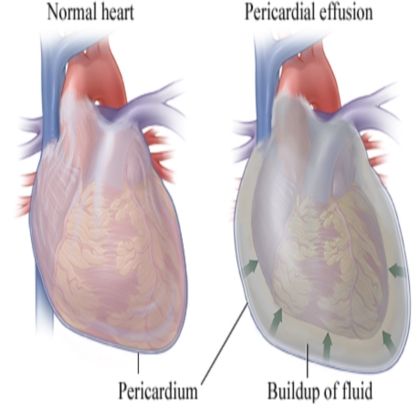
5 Home Remedies For Pericarditis Pericardial Effusion Cardiac Nurse

Pericarditis Concise Medical Knowledge Medical Knowledge Pericardial Effusion Heart Location
Pin On Back To School

Pericarditis Is A Disorder Caused By Inflammation Of The Pericardium The Sac Like Covering Of The Heart Pericarditis Can Asthma Treatment Asthma Cure Asthma

Post a Comment for "Pericarditis"